Mali, a country in the heart of West Africa, is known for its rich history, vibrant culture and breathtaking landscapes. From the ancient cities of Timbuktu and Djenné to the majestic Niger River and the Hombori Mountains, Mali offers a variety of unique experiences for travellers. If you're planning a trip to this fascinating country, here's a complete guide on what to visit in Mali so you don't miss anything important - get ready to discover the wonders of Mali!
1. Bamako
The Vibrant Capital
Bamako, the capital of Mali, is a dynamic and growing city. It is the political, economic and cultural centre of the country, and offers a unique blend of modernity and tradition.
What to see
- National Museum of MaliA museum housing an impressive collection of historical and cultural artefacts, including masks, textiles and sculptures.
- Great Mosque of BamakoOne of the most important mosques in the city, known for its impressive architecture.
- Medina MarketA bustling market where you can find everything from fresh produce to local handicrafts.
Practical Advice
- TransportUse taxis or private transport services to get around the city.
- SecurityKeep your belongings safe and avoid areas less recommended by locals, especially at night.
Timbuktu
The Mythical Desert City
Timbuktu, a legendary city on the edge of the Sahara Desert, is known for its rich history as a centre of Islamic trade and learning in the Middle Ages.
What to see
- Djinguereber MosqueAn impressive mosque built in the 14th century, made entirely of mud.
- Manuscript LibrariesTimbuktu is famous for its ancient libraries containing thousands of historical and scientific manuscripts.
- Scout HouseVisit the houses of explorers such as René Caillié, who was one of the first Europeans to arrive in Timbuktu.
Practical Advice
- ClimateTimbuktu can be extremely hot, so bring light clothing and sunscreen.
- Local GuidesHire a local guide to explore the city and learn about its rich history.
3. Djenné
The Jewel of the Sahel
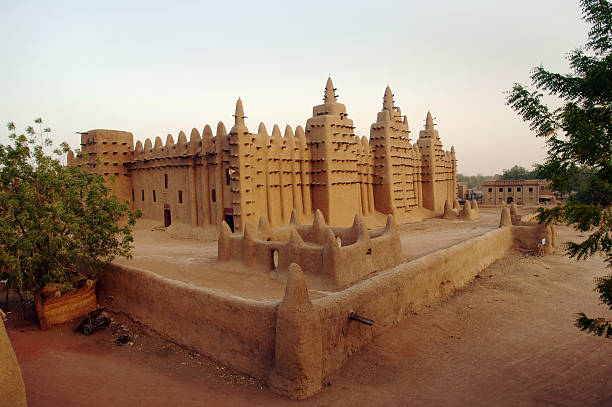
Djenné is one of the oldest cities in West Africa and is famous for its impressive mud architecture and weekly market.
What to see
- Great Mosque of DjennéThe largest mud structure in the world, an impressive example of Sudanese-Sahelian architecture.
- Djenné marketA vibrant market held every Monday in the square in front of the Grand Mosque.
- Mud HousesStroll through the streets of Djenné and admire the mud-brick houses decorated with traditional motifs.
Practical Advice
- PhotographyAsk permission before photographing people and houses, as some may consider this disrespectful.
- AccessThe best time to visit Djenné is during the dry season, from November to February.
4. Mopti
The Venice of Mali
Mopti, located at the confluence of the Niger and Bani rivers, is a vibrant town known for its canals and bustling market.
What to see
- Port of MoptiA lively harbour where you can see the daily activity of fishermen and local traders.
- Great Mosque of MoptiA stunning mud-brick mosque reflecting the traditional architecture of the region.
- Mopti marketA perfect place to buy local handicrafts, fabrics and jewellery.
Practical Advice
- Boat TripsTake a boat trip on the Niger River to enjoy the sights and local life.
- SecurityAs in other cities, keep your belongings safe and follow local safety recommendations.
5. Boucle du Baoulé National Park
Nature and Wildlife
The Boucle du Baoulé National Park is one of the largest national parks in Mali, offering an impressive variety of landscapes and wildlife.
What to see
- SafariEnjoy a safari to see elephants, antelopes, monkeys and many species of birds.
- Rock PaintingsExplore ancient cave paintings dating back thousands of years.
- Hiking: Take advantage of the well-marked trails to explore the park on foot.
Practical Advice
- GuidesHire an experienced guide to enhance your safari experience and ensure your safety.
- Visiting SeasonThe best time to visit is during the dry season, from November to April.
6. Dogon Country
Culture and Tradition
Dogon Country is a region known for its stunning landscapes and rich culture. The Dogon are an ethnic group with a fascinating history and unique traditions.
What to see
- Bandiagara CliffsA series of steep cliffs that are home to traditional Dogon villages.
- Songo VillageKnown for its cave paintings and circumcision rituals.
- Mask Dance: Attend one of the traditional Dogon dances, which are colourful and full of symbolism.
Practical Advice
- Respecting CultureBe respectful of local traditions and customs, and ask permission before photographing people.
- Local GuidesHire a Dogon guide to learn about their culture and explore the region safely.
7. Hombori
Adventure and Climbing
Hombori is a mountainous region in central Mali, known for its impressive rock formations and climbing opportunities.
What to see
- Hombori TondoThe highest mountain in Mali, popular with climbers.
- Hombori PlateausEnjoy hiking and climbing on the plateaus that offer panoramic views of the region.
- Hombori VillageVisit the traditional village and learn about the local life and customs of the inhabitants.
Practical Advice
- Equipment: Take the right equipment for climbing and hiking.
- GuidesHire experienced guides for climbing and exploration activities.
8. Follow
Bambara History and Culture
Segu, located on the banks of the Niger River, is a historic city and an important cultural centre for the Bambara people.
What to see
- Segu PalaceA former royal palace offering an insight into Bambara history and culture.
- Niger RiverEnjoy a boat trip on the river and observe the daily life of the fishermen and traders.
- Segu FestivalAttend one of the local festivals to experience Bambara music, dance and traditions.
Practical Advice
- ClimateBring light clothing and sunscreen, as Segu can be quite hot.
- Local InteractionBe respectful and open when interacting with the locals, who are known for their hospitality.
9. Wongo National Park
Adventure and Biodiversity
Wongo National Park is one of the most important protected areas in Mali, known for its biodiversity and breathtaking landscapes.
What to see
- WildlifeSee elephants, giraffes, lions and a variety of birds.
- HikingExplore the nature trails that will take you through different ecosystems.
- Local CultureInteract with local communities and learn about their conservation practices.
Practical Advice
- GuidesHire local guides to maximise your wildlife viewing opportunities and to ensure your safety.
- Visiting SeasonThe dry season, from November to April, is the best time to visit the park.
10. Gao
History and Adventure in the Desert
Gao, situated on the bend of the Niger River, is a city with a rich history and a gateway to the Sahara Desert.
What to see
- Askia TombA UNESCO World Heritage site, built in the 15th century, it is an outstanding example of terracotta architecture.
- Gao MarketA vibrant market where you can buy local handicrafts and fresh produce.
- Dunes of TimbuktuExplore the nearby dunes and enjoy a camel ride in the desert.
Practical Advice
- ClimateGao can be extremely hot, so bring plenty of water and light clothing.
- Security: Keep yourself informed about safety conditions and follow local recommendations.
Conclusion
Mali is a country full of contrasts and wonders, with each region offering something unique and special. From the ancient cities of Timbuktu and Djenné to the breathtaking landscapes of Dogon Country and the adventures in Hombori, there is something for every type of traveller in this fascinating country. If you're planning a trip to Mali, be sure to include these destinations in your itinerary to make the most of your adventure in the heart of West Africa. Bon voyage and enjoy Mali!